
Kingdom: Plantae
Clade: Tracheophytes
Clade: Angiosperms
Clade: Eudicots
Clade: Asterids
Order: Asterales
Family: Asteraceae
Genus: Cosmos
Species: Cosmos sulphureus
North America: Sulphur Cosmos, Yellow Cosmos
Mexico/Central America: Cosmos Amarillo
Other Regions: Orange Cosmos, Golden Cosmos
Herbaceous annual.
Open, airy, branching structure with a loose, meadow-like presence.
Often self-seeds and naturalizes lightly in garden settings.
Typically 1.5–3 feet (45–90 cm) tall.
Spread of 1–2 feet (30–60 cm).
Height may increase in lean soils or full-sun heat.
Finely divided, thread-like leaves.
Light and feathery texture.
Opposite arrangement along slender stems.
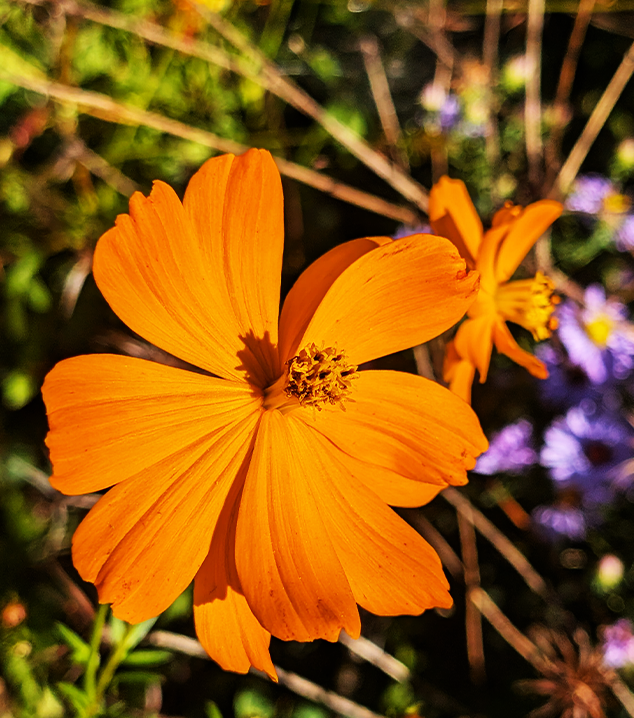
Daisy-like blooms with broad, overlapping ray florets.
Colors range from golden yellow to deep orange and warm apricot tones.
Central disc usually a deeper orange or yellow.
Blooms mid-summer through frost.
Excellent cut flower with long vase life.
Native to Mexico and parts of Central America.
Naturalized widely across warm regions of the Americas, Europe, and Asia.
Popular in meadows, pollinator gardens, and roadside wildflower mixes.
Thrives in hot, dry climates and poor soils.
Prefers full sun for strongest bloom production.
Can tolerate light partial shade but may elongate.
Low to moderate water needs.
Highly drought-tolerant once established.
Overwatering or rich soil can reduce flowering.
Thrives in average to poor, well-drained soils.
Avoid overly fertile soil which encourages foliage over flowers.
pH adaptable.
Tolerant of a wide range of humidity levels.
Performs well even in hot and arid climates.
Grown as an annual.
Heat-tolerant and resilient in summer drought.
Sensitive to frost; plant after danger of frost has passed.
Easily grown from seed, either indoors or direct-sown.
Germinates quickly in warm soil.
Readily self-seeds in favorable climates.
Generally resistant.
Occasional issues may include:
Excellent pollinator plant, especially for butterflies, hoverflies, and native bees.
A favorite nectar source for monarchs during migration.
Abundant blooms and bright warm colors make it ideal for summer and fall displays.
Outstanding drought tolerance.
Low.
Deadheading can encourage continuous bloom but is not strictly necessary.
Thrives with little care and performs exceptionally in poor soils.