
Kingdom: Animalia
Phylum: Chordata
Class: Aves
Order: Accipitriformes
Family: Accipitridae
Genus: Haliaeetus
Species: Haliaeetus leucocephalus
American Bald Eagle
Bald Eagle
Sea Eagle
American Sea Eagle
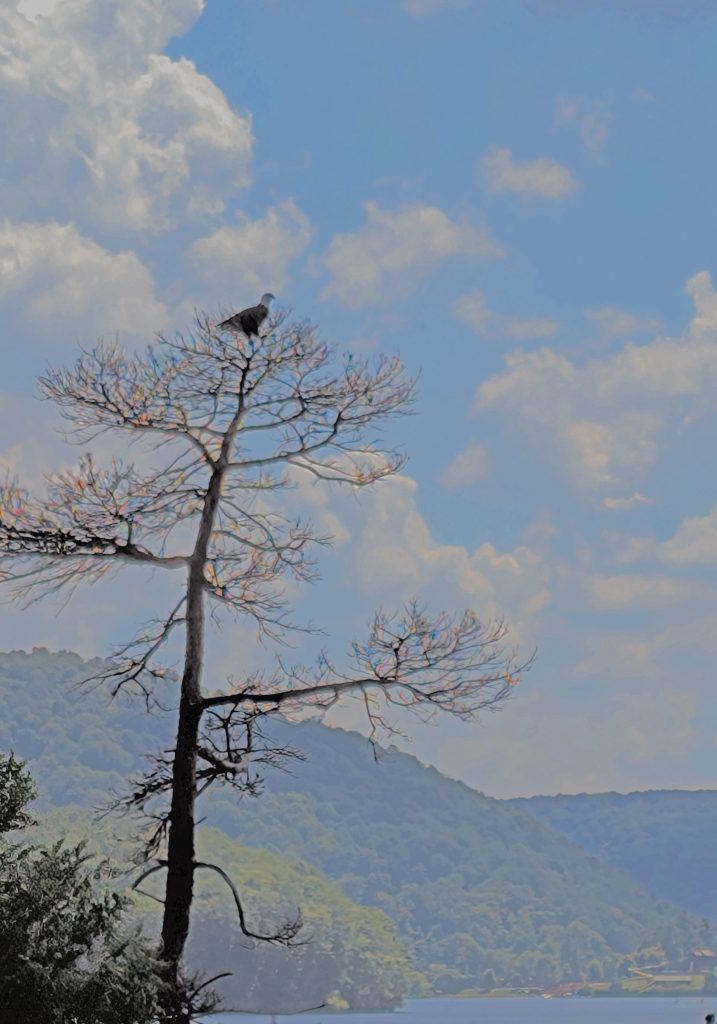
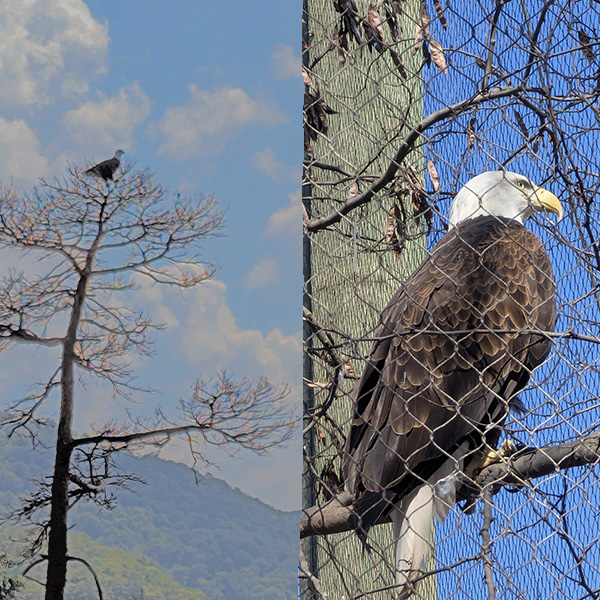
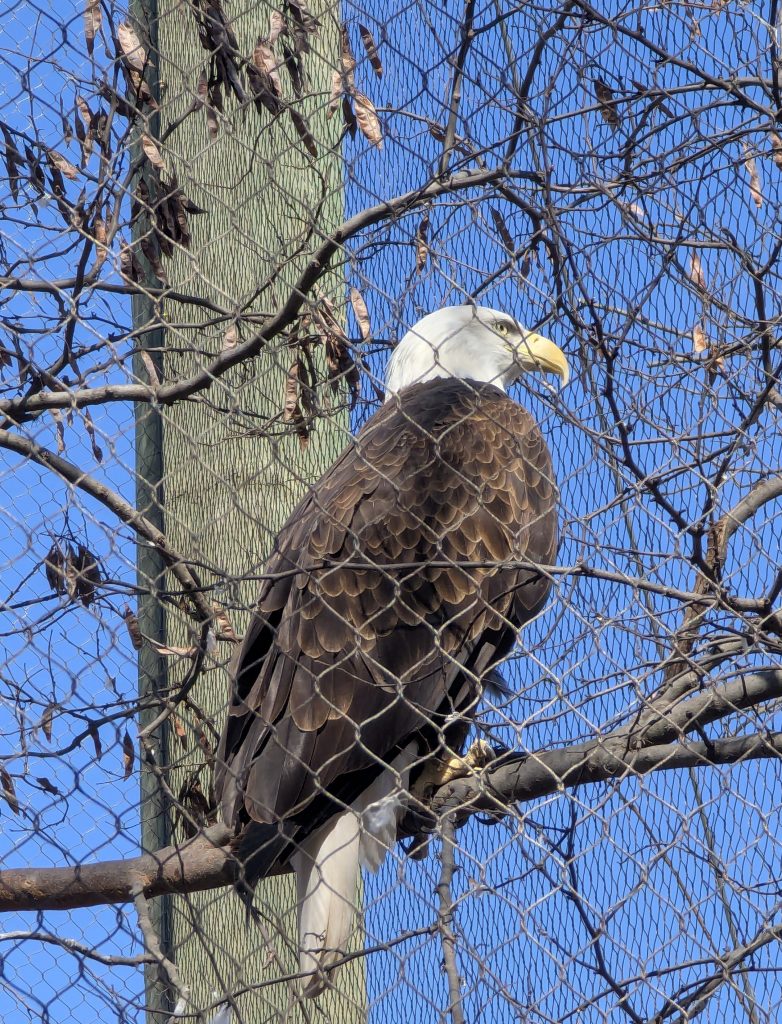
The American Bald Eagle is one of the most recognizable birds in the world. Adults are distinguished by their white head and tail, dark brown body, and large yellow hooked beak.
Despite the name, the bird is not actually bald. The term comes from an older English meaning of “white-headed.”
Adults typically reach:
Females are significantly larger than males.
Young bald eagles lack the iconic white head and tail. Juveniles appear mottled brown and white and may be mistaken for golden eagles.
The classic adult coloration develops gradually and is usually complete by four to five years of age.
Bald Eagles are powerful soarers. They often fly with broad wings held flat, gliding on thermals or riding coastal winds.
Their flight style alternates between strong wingbeats and long gliding arcs.
The Bald Eagle is native to North America.
Its range includes:
Large populations occur near coastal waters, major rivers, lakes, and reservoirs, where fish are abundant.
Alaska hosts the largest concentration of Bald Eagles in the world.
Bald Eagles prefer environments that provide three essential conditions:
They are commonly found along:
Bald Eagles are primarily piscivorous, meaning fish make up most of their diet.
Common prey includes:
However, they are opportunistic feeders and may also consume:
They are known to steal fish from other birds, especially ospreys.
Bald Eagles typically form long-term pair bonds.
Nests are massive structures made of sticks and may be reused and expanded year after year.
Some nests reach:
They are usually built in tall trees near water.
Females usually lay 1–3 eggs.
Incubation lasts about 35 days. Both parents share incubation and feeding duties.
Young eagles fledge after roughly 10–12 weeks, though they remain dependent on parents for some time afterward.
During the mid-20th century, Bald Eagle populations declined dramatically due to:
DDT weakened eggshells, causing reproductive failure.
Following bans on DDT and strong conservation efforts, the species recovered remarkably.
In 2007, the Bald Eagle was removed from the U.S. endangered species list.
Today it is considered a major conservation success story.
The Bald Eagle was chosen as the national emblem of the United States in 1782.
Beyond symbolism, the species represents a striking example of ecological recovery. Its return across much of North America demonstrates how environmental protections and habitat restoration can allow wildlife populations to rebound.
In many river valleys and reservoirs, Bald Eagles are once again a common winter and breeding presence.
Successful Bald Eagle conservation relies on:
Continued monitoring ensures that this iconic raptor remains a permanent part of North America’s ecosystems.
The Cernunnos Foundation documents plant and animal life as part of an open educational archive focused on ecological literacy and natural history observation.
Profiles are structured to provide accessible scientific reference while supporting artists, naturalists, and field observers.