
Kingdom: Animalia
Phylum: Arthropoda
Class: Insecta
Order: Odonata
Suborder: Anisoptera
Family: Libellulidae
Genus: Sympetrum
Species: Sympetrum vicinum
Autumn Meadowhawk
Yellow-legged Meadowhawk
Meadowhawk Dragonfly
Red Meadowhawk
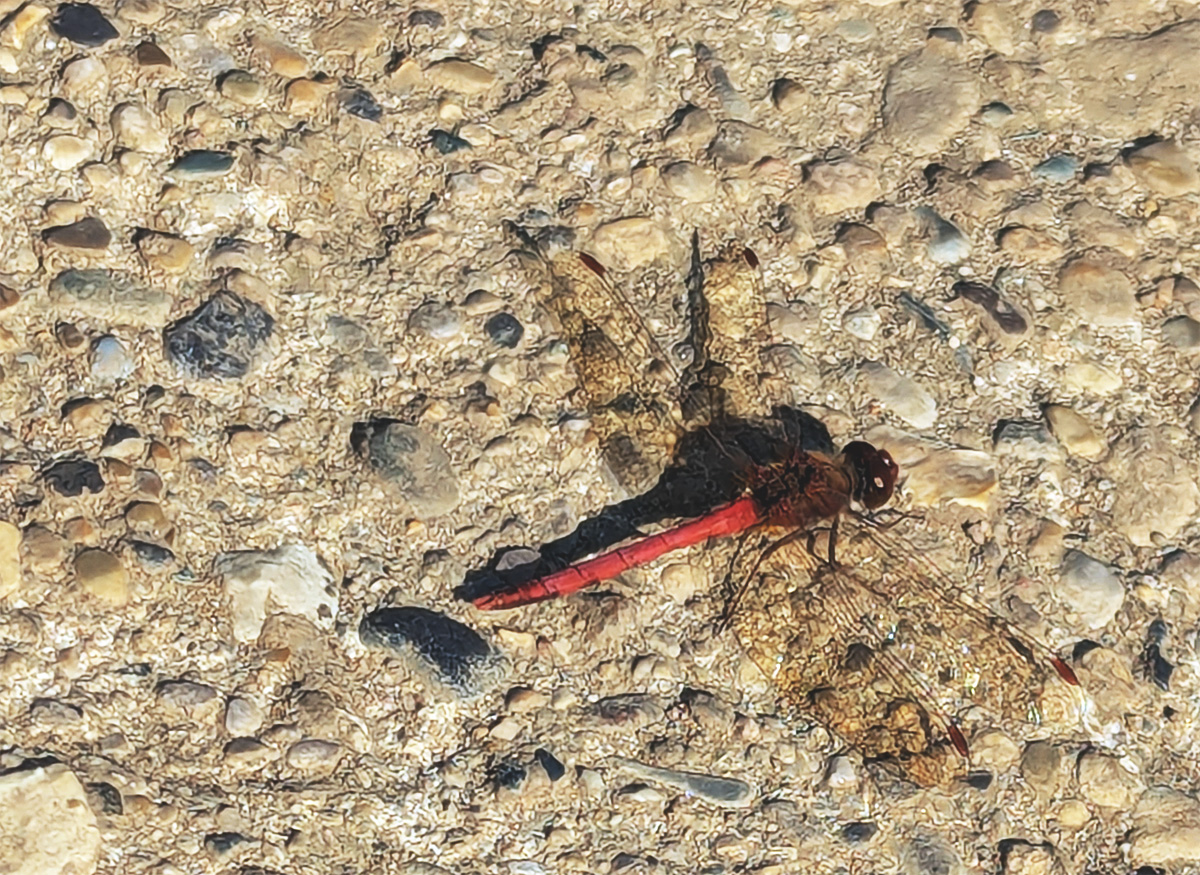
The Autumn Meadowhawk is a small to medium dragonfly known for its bright red abdomen in males and warm brown tones in females and juveniles. Adults typically measure about 3–4 cm (1.2–1.6 inches) in body length.
Males develop a distinct red abdomen as they mature. The abdomen is slender and slightly tapered toward the tip.
The thorax is usually brown or reddish-brown, often with subtle striping depending on age and lighting.
Transparent wings with fine dark venation. In some individuals the wings show light amber tinting near the base.
One of the key field marks is yellowish legs, which helps distinguish this species from several similar meadowhawks that have darker legs.
The Autumn Meadowhawk is one of the most widespread dragonflies in North America.
Range includes:
Canada
United States (nearly nationwide)
Northern Mexico
It is especially common across the eastern United States and Great Lakes region, including Pennsylvania.
Autumn Meadowhawks favor:
Ponds
Marshes
Wet meadows
Slow streams
Lake edges
They are frequently seen perching on rocks, sticks, or even pavement, where they warm themselves in the sun.
Unlike many dragonflies, they often hunt away from water in open fields and clearings.
This species appears late in the season, which is where its name comes from.
Typical flight period:
August – November
They are often one of the last dragonflies seen before winter.
Autumn Meadowhawks are aerial predators that feed on:
mosquitoes
midges
small flies
other flying insects
They typically hunt from a perch, darting out to capture prey.
Mating occurs near shallow water.
Females lay eggs by dipping the abdomen onto the water surface while flying, scattering eggs that settle into vegetation or sediment.
Larvae (naiads) develop underwater where they are also predators, feeding on aquatic insects and small invertebrates.
Birds
Frogs
Fish
Spiders
Dragonflies rely on speed and aerial agility as their primary defense.
Dragonflies like the Autumn Meadowhawk are important insect population regulators, particularly for mosquitoes and other small flying insects.
Their aquatic larvae also serve as indicators of wetland ecosystem health.
The genus Sympetrum includes many species commonly called meadowhawks, most of which are red or orange as adults.
Because the Autumn Meadowhawk flies very late in the season, it is sometimes observed flying during warm autumn afternoons when most other dragonflies have already disappeared.
Their presence often signals the final weeks of insect activity before winter arrives.
No management required in natural settings.
Populations benefit from:
healthy wetlands
pond edges with vegetation
low pesticide use
Creating pond habitat or wetland buffers encourages meadowhawks and other dragonflies.